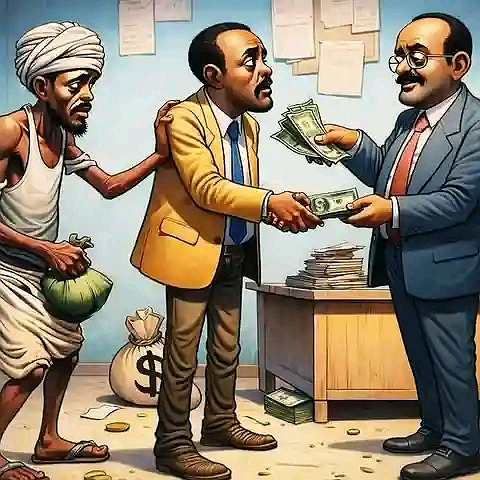






SALARY IS LIKE A DRUG THAT MAKES YOU FORGET YOUR DREAMS
There is a quiet sentence many people live by without ever speaking it aloud: “I’ll chase my dreams later.” Salary makes that sentence feel reasonable. Comforting, even. Like a mild drug, it numbs the restlessness, dulls the ache of unfinished ambitions, and convinces us that survival is the same as fulfillment.
At first, salary is freedom. It pays the rent, fills the fridge, settles the anxiety of uncertainty. It gives structure to life and dignity to effort. There is nothing inherently wrong with earning money—work is honorable, and stability matters. The problem begins when salary stops being a tool and becomes a tranquilizer.
Dreams are inconvenient. They demand risk, time, failure, and long stretches of discomfort. Salary, on the other hand, offers predictability. A fixed date. A fixed amount. A predictable life. Slowly, predictability starts to feel like peace, and dreams begin to feel reckless. We don’t abandon them abruptly; we postpone them politely. After this promotion. After this loan is paid. After I save a little more. Years pass quietly inside those “afters.”
Like any drug, salary works best when taken regularly. Every month it reinforces the habit of staying put. Each raise feels like progress, even when the soul is standing still. The higher the pay, the harder it becomes to question whether the life you’re living is the one you wanted. Golden handcuffs don’t look like chains—they look like rewards.
What makes salary so effective is that it doesn’t kill dreams outright. It sedates them. The artist becomes a “hobbyist.” The writer becomes “too tired.” The entrepreneur becomes “realistic.” Dreams shrink into weekend thoughts and late-night regrets. Eventually, they stop asking for attention altogether.
Society plays its part well. We praise stability more than courage, consistency more than curiosity. We ask children what job they want, not what life they want. We measure success in income, not alignment. So when someone trades their dream for a paycheck, they’re not judged—they’re congratulated.
But there is a cost that doesn’t show up on a bank statement. It shows up in quiet dissatisfaction, in Sunday night dread, in the feeling that life is happening somewhere else. It shows up when people say, “I’m doing fine,” and mean, “I’m surviving.”
This isn’t a call to quit your job recklessly or romanticize struggle. Not everyone can afford to chase dreams full-time, and not every dream must replace a career. The danger is not salary itself—it’s forgetting that it was meant to serve life, not replace it.
The antidote is awareness. Asking uncomfortable questions. Remembering what once excited you before responsibility taught you to be careful. Creating space—however small—for dreams to breathe again. Sometimes that means working toward them slowly, imperfectly, alongside the paycheck. Sometimes it means redefining success entirely.
Salary can fund your dreams, or it can anesthetize them. The difference lies in whether you’re using money to build a life—or using work to avoid asking what kind of life you want.
Because in the end, the most expensive thing you can buy with a salary is silence—from your own dreams.
Rules are Rules 🫵 ⚠️
There is a quiet sentence many people live by without ever speaking it aloud: “I’ll chase my dreams later.” Salary makes that sentence feel reasonable. Comforting, even. Like a mild drug, it numbs the restlessness, dulls the ache of unfinished ambitions, and convinces us that survival is the same as fulfillment.
At first, salary is freedom. It pays the rent, fills the fridge, settles the anxiety of uncertainty. It gives structure to life and dignity to effort. There is nothing inherently wrong with earning money—work is honorable, and stability matters. The problem begins when salary stops being a tool and becomes a tranquilizer.
Dreams are inconvenient. They demand risk, time, failure, and long stretches of discomfort. Salary, on the other hand, offers predictability. A fixed date. A fixed amount. A predictable life. Slowly, predictability starts to feel like peace, and dreams begin to feel reckless. We don’t abandon them abruptly; we postpone them politely. After this promotion. After this loan is paid. After I save a little more. Years pass quietly inside those “afters.”
Like any drug, salary works best when taken regularly. Every month it reinforces the habit of staying put. Each raise feels like progress, even when the soul is standing still. The higher the pay, the harder it becomes to question whether the life you’re living is the one you wanted. Golden handcuffs don’t look like chains—they look like rewards.
What makes salary so effective is that it doesn’t kill dreams outright. It sedates them. The artist becomes a “hobbyist.” The writer becomes “too tired.” The entrepreneur becomes “realistic.” Dreams shrink into weekend thoughts and late-night regrets. Eventually, they stop asking for attention altogether.
Society plays its part well. We praise stability more than courage, consistency more than curiosity. We ask children what job they want, not what life they want. We measure success in income, not alignment. So when someone trades their dream for a paycheck, they’re not judged—they’re congratulated.
But there is a cost that doesn’t show up on a bank statement. It shows up in quiet dissatisfaction, in Sunday night dread, in the feeling that life is happening somewhere else. It shows up when people say, “I’m doing fine,” and mean, “I’m surviving.”
This isn’t a call to quit your job recklessly or romanticize struggle. Not everyone can afford to chase dreams full-time, and not every dream must replace a career. The danger is not salary itself—it’s forgetting that it was meant to serve life, not replace it.
The antidote is awareness. Asking uncomfortable questions. Remembering what once excited you before responsibility taught you to be careful. Creating space—however small—for dreams to breathe again. Sometimes that means working toward them slowly, imperfectly, alongside the paycheck. Sometimes it means redefining success entirely.
Salary can fund your dreams, or it can anesthetize them. The difference lies in whether you’re using money to build a life—or using work to avoid asking what kind of life you want.
Because in the end, the most expensive thing you can buy with a salary is silence—from your own dreams.
Rules are Rules 🫵 ⚠️