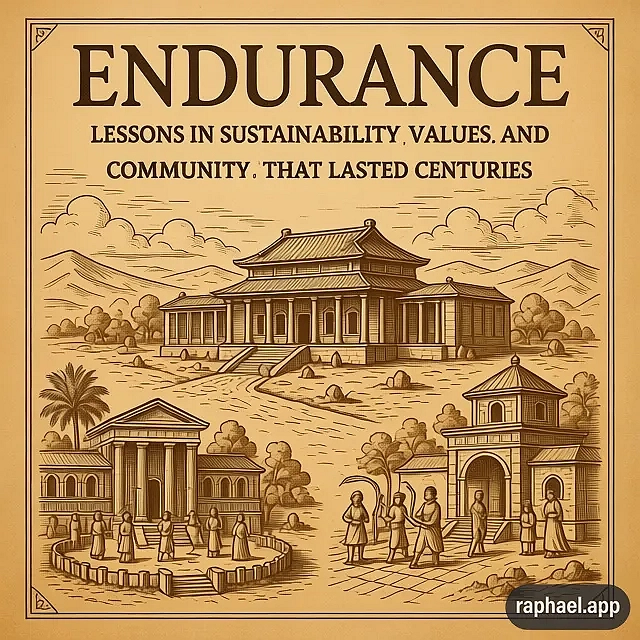



Ancient Blueprints for Endurance: Lessons in Sustainability, Values, and Community from Civilizations That Lasted Centuries.
Ancient Blueprints for Endurance: Lessons in Sustainability, Values, and Community from Civilizations That Lasted Centuries
In our rush to grab quick wins, we often ignore the slow burn of history. Businesses chase quarterly profits. Politicians eye four-year terms. We toss out gadgets after a year. Yet some societies stood tall for hundreds, even thousands, of years. Think of the Roman Empire's five centuries of power or China's dynasties that spanned millennia. What hidden strengths let them last while our setups crumble fast? These long-lived groups offer real clues on building something solid.
This piece digs into three key areas drawn from those enduring worlds: smart resource handling for sustainability, strong shared beliefs for values, and tight-knit group ties for community. You'll see how they turned limits into lasting power. By the end, you'll have clear steps to apply these ideas today. Let's break it down and pull out gems that fit our lives now.
Pillar One: Deep Sustainability Beyond Environmentalism
Long-lasting civilizations didn't just use up what they had. They planned ahead with eyes on the far future. Their ways of handling dirt, water, and stuff show us how to avoid running dry.
Water Management and Infrastructural Legacy (Example: Roman Aqueducts, Nabataeans)
Romans built aqueducts that carried fresh water over miles. These stone channels, fed by gravity, served cities for generations. In dry spots like Petra, the Nabataeans carved channels into rock to trap every drop from rare rains.
They thought big on build quality. Arches and tunnels lasted because workers used lime mortar that hardened over time. No quick fixes here—these setups fed baths, farms, and homes without fail.
You can borrow this today. When you plan a home or yard project, aim to overbuild. Make a rain barrel system that holds extra for dry spells. It saves cash and cuts waste in the long run.
Cyclical Agriculture and Land Stewardship (Example: Incan Terracing, Chinese Loess Plateau management)
Incan farmers sliced hills into flat steps to grow crops without washing soil away. They mixed in fish bones and llama dung to keep the earth rich. This kept fields green for 500 years or more.
Over in China, folks on the Loess Plateau rotated crops and planted trees to hold back erosion. Old records from the Han Dynasty describe how they watched the land's health like a family heirloom. No single crop took over; variety ruled.
Anthropologists point to these methods in studies of ancient farms. They show how small tweaks stopped the hunger cycles that doomed other groups. Try it in your garden—swap plants each season to build better soil.
Resource Scarcity as a Design Constraint
Few metals or wood pushed builders to make things tough. Egyptians reused stones from old sites for new pyramids. This repair mindset cut down on fresh pulls from the earth.
Contrast that with our throwaway tools. Ancients fixed pots with clay patches instead of buying new. It built skills and saved trees from choppers.
See scarcity as a guide. In your shop or kitchen, mend before you replace. It stretches what you own and teaches patience, much like those old societies did.
Pillar Two: Unifying Values and Transcendent Governance
What glued people together across ages? It wasn't just rules. It was a deep sense of right and wrong that outlasted any one boss. These cores kept fights low and aims high.
Legal Codes and Institutional Stability Over Individual Leaders
Hammurabi's stone code in Babylon set eye-for-eye justice 4,000 years ago. It didn't bend with kings' moods. Romans took it further with their Twelve Tables, laws etched for all to see.
These writings promised fair play. A farmer knew his rights wouldn't flip overnight. That trust held the group tight through wars and shifts.
Today, lean on clear rules in your team or home. Write down family guidelines or work pacts. It beats relying on one person's word every time.
Shared Narratives and Cultural Cohesion
Confucius taught respect for elders and rulers in ancient China. This story line shaped how kids learned and leaders ruled for over 2,000 years. Romans drew on myths of gods and heroes to spark pride.
These tales gave folks a why beyond daily grind. A soldier fought not just for pay, but for the empire's glory. It pulled strangers into one big family.
Spot your own key stories. In a club or neighborhood, share tales of past wins. It builds bonds that weather tough times.
The Calculus of Intergenerational Obligation
Many faiths pushed care for kids' kids. The Bible's commands to tend the land spoke to unseen heirs. In India, Vedic texts urged saving seeds for the next crop season.
This view flipped choices: plant trees you'd never shade under. It curbed greed that could starve tomorrow's crowd.
You can do this now. When you vote or spend, ask how it hits in 50 years. Small shifts like that echo those old wise ways.
Pillar Three: Robust and Resilient Community Architecture
Tough groups didn't break in storms because locals stepped up. They wove safety nets from trust and help. This setup caught falls before they wrecked the whole.
Redundancy in Governance: Local Autonomy and Central Control
Rome let towns run their markets and walls. But they paid taxes to the big center. This mix kept things steady—local fixes for daily woes, empire aid for big threats.
In the Maya cities, chiefs handled rains and trades while kings oversaw peace pacts. It spread the load so one flop didn't topple all.
Build this in your circle. Let your block decide park cleanups, but link to city funds. It makes help quick and sure.
Mechanisms for Social Inclusion and Status Mobility
Rome granted citizenship to far-off allies, pulling them in tight. This cut rebellions—new folks felt part of the win. Data from digs shows empire growth tied to these open doors.
Conquered leaders got spots in the senate. It mixed bloodlines and ideas, dodging stuck lower groups.
Aim for that pull-up in your group. Offer chances to lead based on skill, not birth. Watch how it cuts gripes and boosts all.
The Economics of Reciprocity Over Pure Transaction
Patrons in Rome gifted grain to clients, who gave loyalty back. This web fed the poor in lean years. Inca systems swapped work for food shares—no cash needed.
It beat straight buys because feelings tied it. A neighbor helped fix your roof; you watched their kids later.
Start small: trade skills with friends. Bake for a ride, or fix for a meal. It knits safer nets than cold deals.
Recognizing the Tipping Points: Signals of Inevitable Decline
Even giants fell. Spot their slips to dodge ours. Common flaws show when the end nears.
The Erosion of Institutional Trust and Elite Self-Interest
Ruling folks in late Rome grabbed land for themselves. Taxes soared while roads cracked. Trust died as the top chased fat purses.
This self-focus spread rot. Armies mutinied; cities starved. It warns us: watch for leaders who hoard over help.
Check your leaders now. Do they fix schools or build walls? Push for fair play to keep the base strong.
Overextension and Loss of Adaptability
China's Tang rulers stretched too far, pulling troops from farms. Borders cracked under the strain. Rome hit the same wall with endless wars.
Big reach meant thin control. Shocks like plagues hit harder on spread-out setups. They lost bend to fit new ways.
Know your limits. Grow your business or family slow. Test changes small before you leap wide.
The Failure to Educate Successors
Maya scribes stopped teaching star math to young ones. Kings forgot how to track seasons. Systems stalled without fresh minds.
In Byzantium, old Greek texts gathered dust as wars raged. No handoff meant skills faded. Collapse followed fast.
Teach wide. Share your know-how with kids or teams now. It guards against blackouts in the chain.
Conclusion: Building Time into Today's Decisions
Sustainability from old worlds means setups that last at least a century. Think pipes and fields that don't quit quick.
Values that stick beat short votes or cash grabs. They guide us past the now.
Community strength grows from local ties and give-backs. It holds when big plans fail.
These lessons from civilizations that lasted centuries aren't lost art. We can grab them to make our days tougher. Start today: pick one tip, like mending more or sharing stories. What if your small step sparks a longer run? Give it a go and see the shift.