



Russia Reaffirms Commitment to Nuclear Arms Reduction Treaty
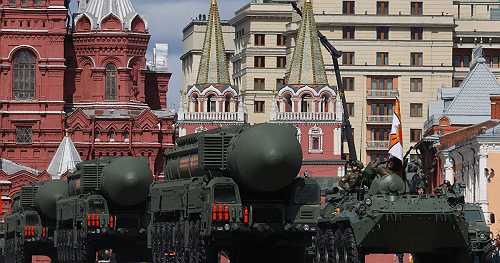 In a move that has sparked both hope and skepticism, Russia's Foreign Minister Sergey Lavrov announced on Wednesday that his country will continue to observe the limits set under the recently-expired New START nuclear arms reduction treaty - but only if the United States does the same. This development comes as the world watches with bated breath, wondering what the future holds for global security and diplomacy.
The New START Treaty: A Brief History
Signed in 2010 between the US and Russia, the New Strategic Arms Reduction Treaty (New START) aimed to limit the number of strategic nuclear warheads that both countries could deploy. The treaty included verification measures such as on-site inspections and data exchanges designed to ensure compliance. Originally set to expire in February 2021, it was extended for five years by former President Joe Biden, keeping it in force until February 2026.
Russia's Commitment: A Conditional Promise
According to Lavrov, Russia will continue to abide by the treaty's core limits - but only as long as the US does not exceed the aforementioned limits. This conditional promise has sparked debate among experts and diplomats, with some viewing it as a positive step towards continued cooperation and others seeing it as a mere gesture without concrete action.
The Implications: A Global Perspective
The expiration of the New START treaty has raised concerns about the future of nuclear arms control. With tensions between Russia and the US at an all-time high, many are wondering whether this development will lead to a new era of competition or cooperation. As the world watches, one thing is clear: the fate of global security hangs in the balance.
As the dust settles on this latest development, one thing is certain - the future of nuclear arms control remains uncertain. Will Russia and the US find common ground, or will tensions continue to escalate? Only time will tell, but one thing is clear: the world is watching with bated breath.
Topic Live